
Demystifying Executive Session: A Look Behind the Closed Doors of Elkins City Council
If you’ve ever attended a City of Elkins council meeting, you may have witnessed a moment where council decides to enter “executive session.” The livestream is paused, the public is excluded, and the meeting shifts behind closed doors. It’s a process that can easily be misunderstood. Is it a secret meeting? Is council hiding a decision from public scrutiny? Is this even legal?
In reality, executive session is a narrowly defined tool permitted by West Virginia law, and its use by the Elkins City Council is strictly governed by rules designed to balance transparency with necessary confidentiality. Let’s pull back the curtain on what executive session is, why it’s used, and clear up some common misconceptions.
What Exactly is an Executive Session?
An executive session is defined by the West Virginia Open Meetings Act as “any meeting or part of a meeting of a governing body which is closed to the public.” The key phrase here is “part of a meeting.” It is not a separate, secret gathering. It is a specific portion of a publicly noticed meeting that is closed for a legally approved reason. Also, Council can invite anyone it wants—such as the City Attorney, or other officials—to join the executive session.
The Elkins Rules of Council, amended in June 2024, state that a member must make a motion to hold an executive session. This motion must state the specific legal grounds for closing the meeting, and it requires a majority affirmative vote of the members present to pass. Crucially, these rules note that “no decision may be made in the executive session.” Final action must always be taken in an open meeting.
Why Go into Executive Session? The Legal Exceptions
The West Virginia Code (§6-9A-4) provides a limited list of circumstances that justify an executive session. These are not vague categories but specific legal exemptions to the default rule of open meetings. Common reasons the Elkins City Council might enter an executive session include:
- Personnel Matters: Discussing the appointment, employment, promotion, demotion, discipline, or compensation of a specific public employee or officer. It’s important to note that general personnel policies must be discussed in public; this exception is for matters affecting specific individuals.
- Purchase or Sale of Property: Considering the purchase, sale, or lease of real estate when public knowledge could adversely affect the city’s financial interests or negotiating position.
- Law Enforcement and Security: Planning official investigations related to crime prevention or discussing security personnel and devices.
- Confidential Legal Advice: Consulting with legal counsel about actual or potential litigation or otherwise receiving privileged legal advice. Although “the mere presence” of an attorney does not necessarily render a conversation confidential, Council has the right to discuss legal matters with its attorney(s) privately, just as any individual does.
- Personal Privacy: Discussing information that would constitute an “unwarranted invasion of an individual’s privacy,” such as health information or other personal circumstances.
Before any of these topics are discussed during an executive session, they must be properly listed on the meeting agenda. The West Virginia Ethics Commission emphasizes that the agenda item must be descriptive enough to reasonably inform the public of the topic. An agenda item that simply says “Personnel” or “Executive Session” is not sufficient. A compliant agenda item would read more like, “Consideration and potential action regarding the hiring of a new City Department Director.” Although the agenda could note that an item is eligible for discussion in executive session, council can’t enter executive session until and unless a motion to do so has been approved by the majority of council members.
Clearing Up Common Misconceptions
Misconception 1: Decisions are made in secret.
This is the most important point to clarify. No final votes or official actions are permitted in executive session. The session is for discussion, deliberation, and receiving legal advice only. After the executive session concludes, the council reconvenes in open session. Any resulting motion—for example, “I move to offer the position of City Planner to Jane Doe”—is made and voted on publicly, as required by the Elkins Rules of Council and state law.
Misconception 2: The topic of an executive session can be hidden from the public.
While the detailed discussion is private, the subject matter cannot be a secret. The specific exemption being invoked must be announced during the motion, and the agenda must list the item with enough detail to provide meaningful notice while still balancing the privacy concerns of an individual or the confidential details of other allowed topics. The public has a right to know what broad category of city business is being discussed, even if the sensitive details are protected.
Misconception 3: Everything said in an executive session is permanently confidential.
The Open Meetings Act itself does not automatically make executive session discussions confidential. However, the reason for the session often involves information that is protected by other privacy laws (e.g., employee records) or attorney-client privilege. Furthermore, the Elkins City Council has adopted a rule imposing a confidentiality requirement on all participants of its executive sessions.
Misconception 4: Executive session is for discussing anything controversial.
This is not the case. The council cannot use executive session as a convenience to avoid public debate on a difficult issue. Its use is legally restricted to the specific list of exemptions in state law. Discussing broad policy, proposed ordinances, or city budgets must always occur in the open.
A Necessary Tool, Used with Restraint
The ability to hold an executive session is a vital tool for a municipal government. It allows for frank discussions about sensitive personnel issues, protects the city’s negotiating power in real estate deals, and ensures legal advice remains privileged. For the Elkins City Council, it is a tool used with restraint and in strict compliance with West Virginia state law and its own adopted rules.
The process is designed not to undermine public trust, but to protect it—by safeguarding individual privacy and the City’s legitimate interests, all while ensuring that the ultimate power of decision-making remains where it belongs: in the open before the residents of Elkins.

City Hall News: Week of March 15, 2026
Elkins, WV – March 14, 2026: The City of Elkins offers residents and business owners free reflective address numbers. Please don’t let severe weather or darkness hide your home or business if first responders have to arrive on the scene in an […]
Read More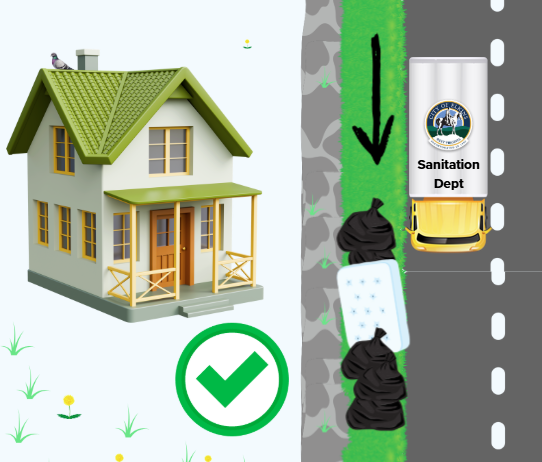
An Update on Garbage and Bulk Item Pickup in Elkins: March & April 2026
Elkins residents who use the City’s sanitation services have benefits beyond weekly garbage collection—including a free monthly bulk item pickup. While the Sanitation Department generally follows a consistent schedule, this hard-working crew occasionally has to adjust it with little notice. These changes […]
Read MoreCity Hall News: Week of March 8, 2026
Elkins, WV – March 8, 2026: The City of Elkins now offers residents and business owners free reflective address numbers. Please don’t let snow, fog, or darkness hide your home or business if first responders have to arrive on the scene in […]
Read More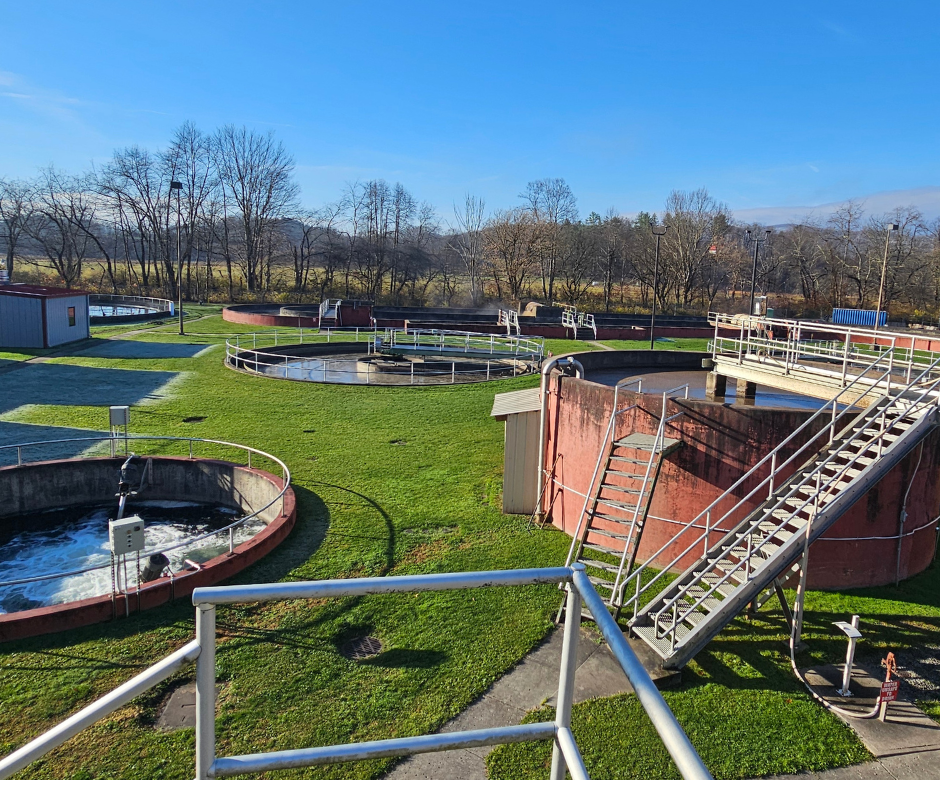
City of Elkins Approves Multi-Year Sewer Rate Increase to Fund Critical Infrastructure Upgrades
Elkins, WV – March 5, 2026: Following a recommendation from the Elkins Sanitary Board, the Elkins City Council has approved a series of sewer rate increases to be phased in over the next three years. The multi-year adjustment will fund a major […]
Read More
Spring Means a New Series of Tree Talks!
The Elkins Tree Board and Kump Education Center will launch a new Tree Talks Lecture Series on Wednesday, March 4, at 7 p.m., inviting the community to learn more about the region’s Appalachian woodlands and the challenges they face. The free, three-part […]
Read More
Elkins Seeks Ideas from the Public for the 250th Anniversary of the United States’ Independence
*Elkins, WV, February 24, 2026: Mayor Jerry Marco announced today that the City of Elkins will begin planning its official celebration of the United States’ 250th anniversary, known as the Semiquincentennial, culminating on July 4, 2026. This historic milestone presents a unique […]
Read More